You are not broken. You are stuck in a loop your brain never taught you how to exit. There is a way out.
You are not weak. You are not “overthinking.” You are stuck in a loop that your brain learned — and never taught you how to exit.
The thought hits. Sharp. Unwanted. Disturbing. Your body reacts as if danger is real. Your mind demands certainty, relief, and control. So you check. You replay. You avoid. You neutralize. You repeat. For a moment, the anxiety drops. Then it comes back louder.
This is OCD.
Not a personality flaw. Not a lack of willpower. Not something you can “logic away.”
OCD is a misfiring alarm system. A brain trained to treat uncertainty as a threat. A condition that feeds on reassurance and rituals — even when you know they don’t truly work.
And here’s the part most people never tell you:
Trying harder is what keeps you stuck. Real, evidence-based OCD therapy does something different.
It teaches you how to stop obeying the alarm. How to let thoughts exist without responding to them. How to break the cycle without needing certainty first. How to live fully, even with discomfort present.
Not through force. Not through endless reassurance. But through structured, proven methods that retrain your brain’s response to fear.
Our approach is clear, direct, and supportive — and it is built specifically for OCD.

You’ll work with therapies designed not to soothe the anxiety — but to shrink it over time.
No vague talk. No endless analysis. No avoidance disguised as comfort. Just a structured path forward with a therapist who understands OCD deeply and knows how to treat it properly.
Relief doesn’t come from eliminating thoughts. It comes from no longer letting them run your life.
Therapeutic Approaches
Our approach to OCD is evidence-based and built around what works. We don’t apply a one-size-fits-all model; we lead with ERP and bring in complementary approaches where they help.
OCD is often treated alongside medication (usually an SSRI) prescribed by your family doctor or psychiatrist; we’re glad to work as part of that wider care.
WHAT WE TREAT
OCD wears many faces. Whatever shape yours takes, the path through it is the same: evidence-based care, and it can help just to have your experience named.
Intrusive Thoughts
Involuntary thoughts, images and urges that pop into your mind that go against your core values.
Harm OCD
Intrusive thoughts about harming yourself or others: the opposite of who you are.
Contamination OCD
When the fear of being contaminated takes over, long after your hands are clean.
Perfectionism-related Obsessions
Religious/Moral OCD
Existential OCD
Excessive preoccupation with existence, meaning and one’s role in the universe.
False-Memory OCD
Distressing doubts about past events and their impact.
We also work with a range of OCD presentations, including relationship OCD, health-related OCD, sexual OCD, and identity OCD, among others.
Not sure which one fits? You don’t need a label to begin.
You don’t need to have it figured out. You need to take the first step.
If you’re tired of managing this alone, schedule a confidential call today and get clarity on what OCD-specific therapy could look like for you.

Schedule a confidential call today and get clarity on what OCD-specific therapy could look like for you. One conversation, no obligation, just a starting point.
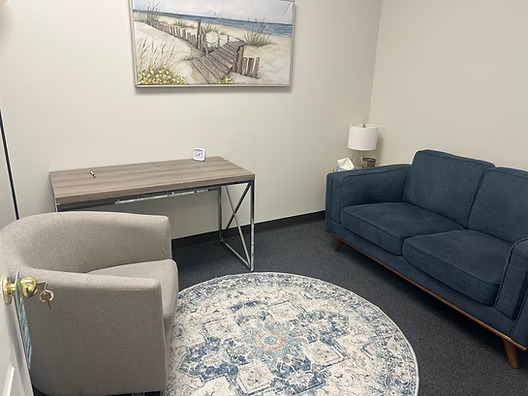
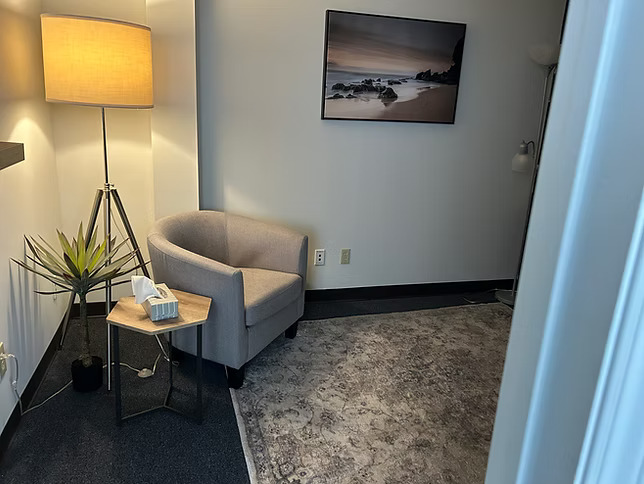
Our clinic is conveniently located at 107-1020 Bayridge Drive in Kingston, Ontario, with flexible scheduling options including daytime, evening, and weekend availability. Not in Kingston? Virtual counselling sessions are available for anyone in Ontario.
Session Cost
$165–$185 per individual session
Location
First Step
Our Team
These therapists have experience supporting clients through their OCD.
Individual OCD therapy sessions at Cataraqui Counselling Clinic are $165 to $185, depending on your therapist, and sessions are 50 minutes. Your first step is a free 15-minute phone consultation, with no commitment.
OHIP does not cover sessions with Registered Psychotherapists in private practice. Many extended health benefit plans do, so check your plan for coverage of “psychotherapy” or “Registered Psychotherapist (RP).” We provide receipts for you to submit to your insurer; we do not offer direct billing at this time.
Some extended health plans cover Registered Psychotherapists (Qualifying) and some do not, so we recommend checking with your provider before booking. Sessions with Kaylie, an RP (Qualifying), are $165.
No. Registered Psychotherapists can help treat the symptoms of OCD even without a formal diagnosis. Following an assessment, your therapist can work with you to address obsessions and compulsions and, if appropriate, refer you to a physician for a formal diagnosis or medication management. Some insurance plans do require a doctor’s referral before they’ll reimburse psychotherapy, so it’s worth checking your plan. If you’re not sure whether what you’re experiencing is OCD, the free consultation is a good place to start.
Yes. We offer virtual sessions through Jane Video to anyone living in Ontario, and ERP works well online — many exposures are actually more useful done in your own home, where the OCD shows up. In-person sessions are available at our Kingston office on Bayridge Drive.
We currently offer daytime appointments, Monday to Friday (9am–5pm). Availability changes over time, so the best way to find out current openings is to book a free 15-minute consultation.
It varies from person to person and depends on many factors. We review your progress with you along the way, so you always know where you stand.
Our therapists are trained in Exposure and Response Prevention (ERP), the leading evidence-based treatment for OCD, as well as Cognitive Behavioural Therapy (CBT) and Acceptance and Commitment Therapy (ACT). We lead with ERP because it targets the cycle of obsessions and compulsions directly. General talk therapy and reassurance can actually make OCD worse, so OCD-specific training matters when choosing a therapist.
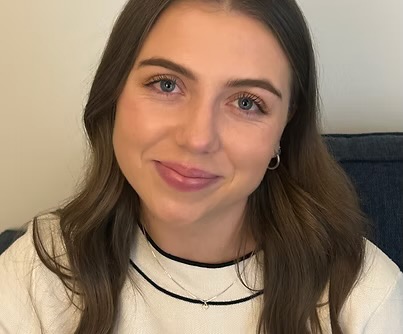
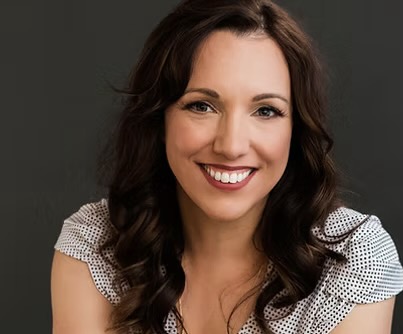
Victoria Davies’ OCD training includes:
Kaylie Jansen’s OCD training includes:
If treatment for OCD hasn’t worked before, it doesn’t mean you can’t make progress. Many factors affect treatment, including readiness for change, fears around confronting obsessions, treatment-interfering behaviours, or whether the approach was the right fit. We understand that trying therapy again can feel discouraging, and we can explore what you’ve tried, what felt difficult, and what may have gotten in the way — without judgment or pressure. Past difficulties don’t determine what’s possible moving forward. There’s no commitment required, but a free 15-minute consultation may be a helpful first step to ask questions and see whether our approach feels right for you.
(613)539-5707
cataraquicounselling@gmail.com
107-1020 Bayridge Dr, Kingston, ON K7P 2S2
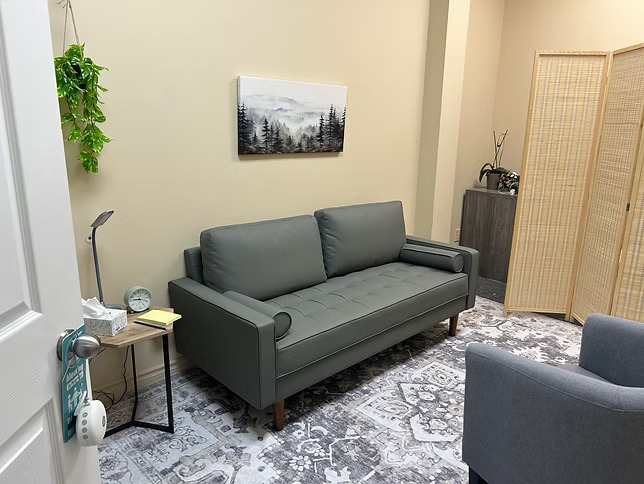
Our Space
Book a free 15-minute phone consultation. No commitment, no pressure — just a conversation about what you’re going through and how we can help.
Or call us directly at (613) 539-5707